Storm damage water cleanup becomes necessary after heavy rainfall or tidal surges push water into homes and businesses, especially in Eastport and near City Dock where low elevation allows rapid intrusion through foundations, doors, and windows.
Property owners should avoid entering standing water, operating electrical devices in affected rooms, or attempting to move saturated furniture without extraction equipment already in place, as these steps can spread contamination or create safety hazards.
Older Annapolis homes often have plaster walls and wooden subfloors that absorb moisture differently than modern drywall and concrete slabs, requiring targeted moisture detection before drying begins.
Factors That Change Project Scope
Amount of water, square footage reached, and time between storm and discovery all alter how much demolition and drying equipment will be needed. Contaminated tidal water requires different removal steps than rainwater alone.
When Another Specialist May Be Needed
If storm water reaches electrical panels or HVAC systems, a licensed electrician or HVAC technician must evaluate those components before restoration work continues.
Appliance Leak Water Damage Cleanup Services We Offer
✓Tidal Surge Extraction
Removes salt-laden water from coastal flooding that can corrode metal and damage finishes faster than fresh rainwater.
✓Roof and Window Leak Extraction
Targets water that enters through storm-damaged roofs or windows before it spreads into attics and ceiling cavities.
Appliance Leak Water Damage Cleanup Cost in Annapolis, MD
| Service | Typical Range | What Affects It |
|---|---|---|
| Water volume and depth | Deeper standing water requires more pumps and longer extraction time. | |
| Square footage affected | Larger areas need additional drying equipment and monitoring visits. | |
| Tidal versus rainwater source | Saltwater increases corrosion risk and may require extra cleaning steps. | |
| Time before discovery | Longer exposure allows deeper saturation into wood and drywall. | |
| Access difficulty | Multi-story or tightly built historic structures slow equipment placement. |
Ranges are typical for Annapolis, MD and confirmed with an exact written quote before any work starts.
How it works
- 1
On-Site Assessment
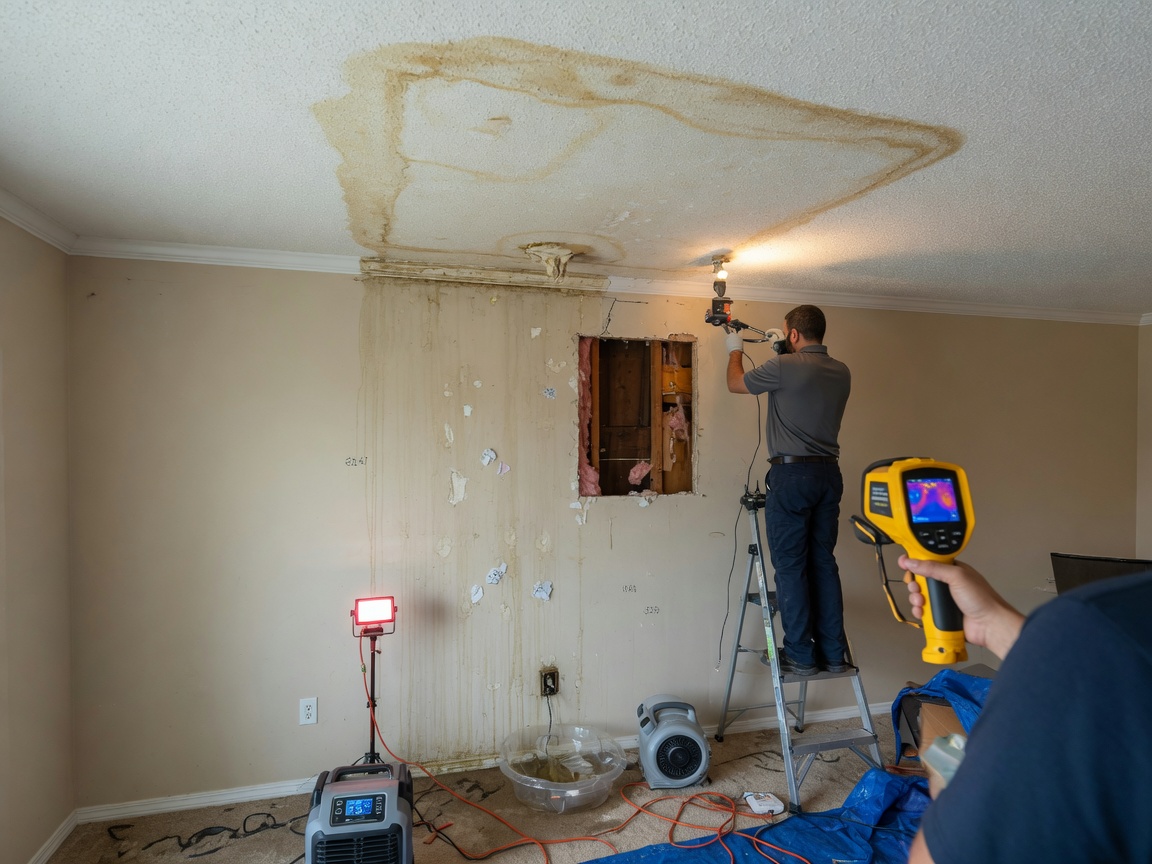
Technicians measure water depth, test for tidal contamination, and map affected materials using moisture meters.
- 2
Water Removal
Pumps and extraction tools pull standing water from floors and low areas before dehumidification starts.
- 3
Drying and Monitoring
Air movers and dehumidifiers run while daily moisture readings track progress in walls and subfloors.
Pricing
Final cost depends on water volume, affected square footage, contamination level, and materials that must be removed or dried.