Heavy rain and tidal surges common along the Chesapeake can push water into basements, crawl spaces, and first-floor rooms faster than standard leaks. Property owners notice standing water, saturated drywall, or musty odors within hours of a storm passing.
Immediate priorities include shutting off electricity to affected zones, avoiding contact with potentially contaminated water, and documenting visible damage for insurance records. Delaying action allows moisture to migrate into subfloors and wall cavities.
Older Annapolis construction often features plaster walls and wooden joists that absorb and hold water differently than modern materials. Extraction must reach these hidden pockets to prevent long-term weakening.
When tidal flooding reaches Eastport or City Dock properties, the water volume and sediment load increase both the extraction effort and the need for thorough rinsing of surfaces before drying begins.
Emergency Water Extraction Services We Offer
✓Post-Storm Extraction
Removes bulk water left by rain or tidal flooding before structural drying starts.
Emergency Water Extraction Cost in Annapolis, MD
| Service | Typical Range | What Affects It |
|---|---|---|
| Amount of water | Influences equipment and labor hours | Larger storm volumes extend extraction time |
| Affected square footage | Determines number of drying units needed | Multi-room intrusion increases daily monitoring |
| Water source contamination | Affects rinsing and disposal steps | Sediment-laden storm water requires additional cleaning |
| Materials affected | Changes demolition versus drying approach | Plaster and hardwood require slower, targeted drying |
| Access difficulty | Raises setup time in tight or elevated spaces | Crawl spaces or historic structures limit equipment placement |
Ranges are typical for Annapolis, MD and confirmed with an exact written quote before any work starts.
How it works
- 1
On-Site Assessment
Technicians inspect water depth, source points, and migration paths created by storm runoff or tidal surge.
- 2
Water Removal
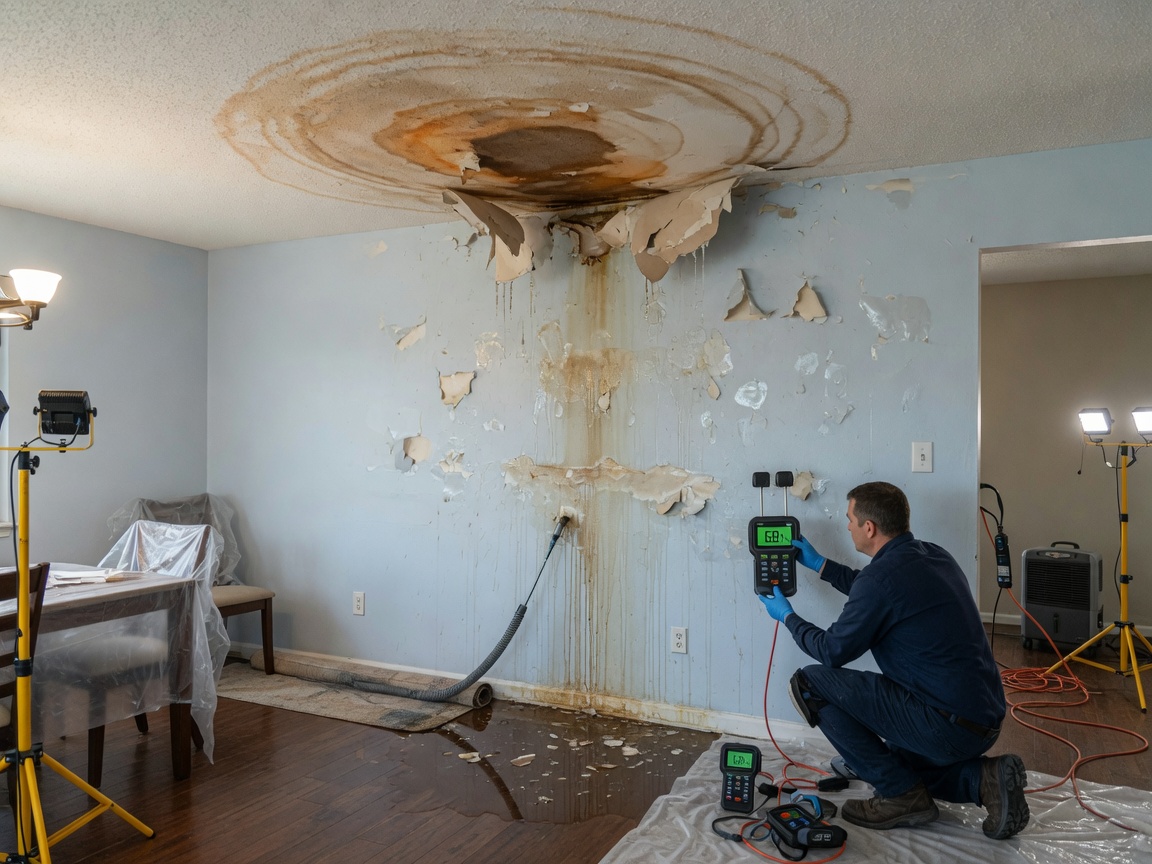
Pumps and extraction units pull standing water from floors and low areas while protecting undamaged sections.
- 3
Moisture Mapping
Meters locate hidden saturation in walls, subfloors, and insulation that storm water often reaches.
- 4
Drying and Dehumidification
Industrial air movers and dehumidifiers reduce moisture levels to prevent secondary damage.
Pricing
Final scope depends on water volume, square footage reached, and materials affected.