# Burst Pipe Water Damage Cleanup in Annapolis
A burst pipe can flood multiple rooms before the water is shut off. Call (410) 755-8656 to start water removal and drying before hidden moisture affects more of the structure.
When Might This Service Be Needed?
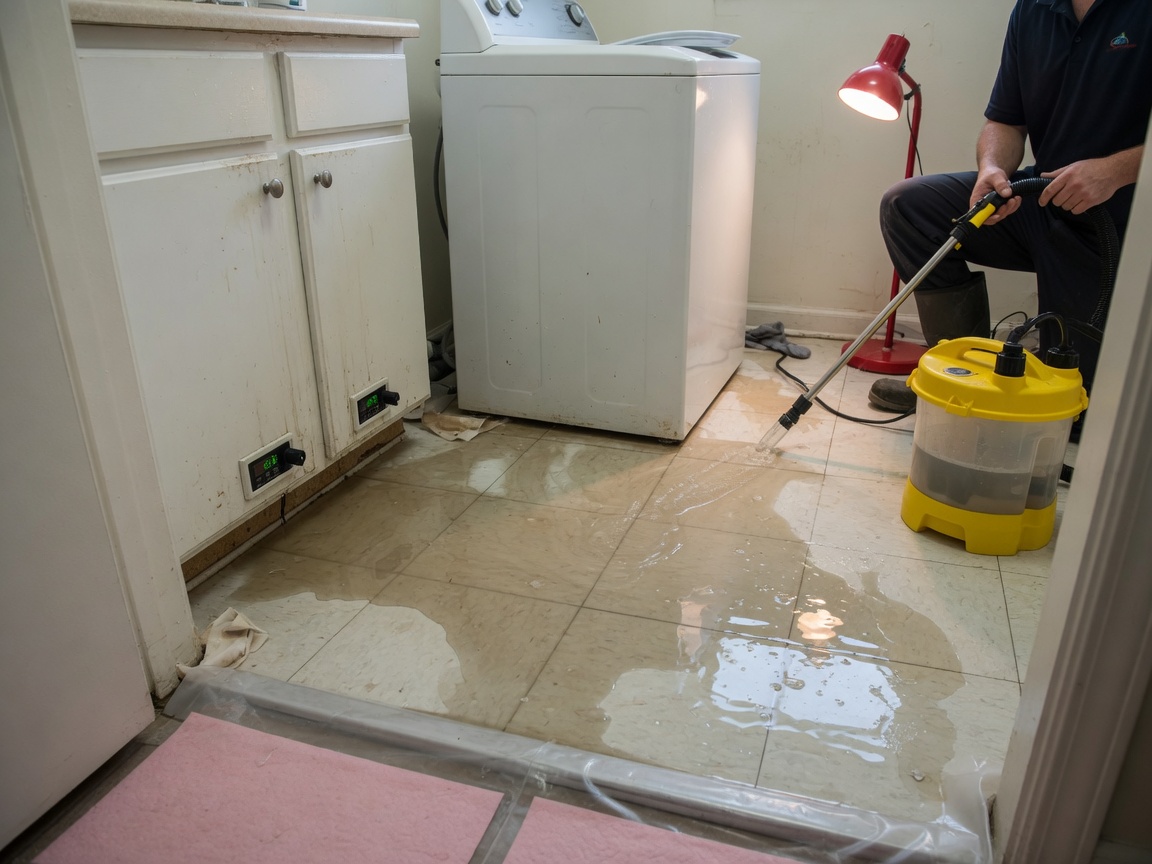
This service is needed after a sudden pipe failure from age, freezing temperatures, or excessive pressure. Water often travels behind walls or under floors, creating wet cavities that require professional extraction and drying.
What Property Owners Should Avoid
Do not attempt to turn on electrical circuits in wet areas. Avoid using household fans that can spread moisture into unaffected rooms. Do not delay shutting off the main water supply if safe to do so.
Materials That Require Different Treatment
Drywall and insulation absorb water quickly and usually need removal. Hardwood floors may cup or delaminate, while concrete slabs hold moisture longer and require extended dehumidification. Older plaster in Annapolis homes can crack once saturated.
Factors That Change Project Scope
Scope increases when water travels to multiple levels, when the pipe break occurs in a finished basement, or when discovery is delayed. Access difficulty behind historic finishes or tight crawl spaces also extends drying time.
When Another Specialist May Be Needed
A qualified plumber must repair or replace the failed pipe before drying begins. If water reaches electrical panels or HVAC equipment, licensed trades handle those components separately.
Flood Damage Cleanup Services We Offer
✓Ceiling and Wall Water Damage Restoration
Removes and replaces saturated drywall or plaster after a pipe releases water into building cavities.
✓Structural Drying and Dehumidification
Uses moisture meters and commercial equipment to dry wall cavities and subfloors once standing water is extracted.
Flood Damage Cleanup Cost in Annapolis, MD
| Service | Typical Range | What Affects It |
|---|---|---|
| Amount of water released | Larger volumes require more extraction equipment and longer drying cycles. | |
| Square footage affected | Wider spread increases the number of drying zones and monitoring visits. | |
| Water source contamination | Category 1 clean water from supply lines may still require antimicrobial steps once it contacts building materials. | |
| Duration before discovery | Longer exposure allows deeper penetration into subfloors and requires additional demolition. | |
| Access difficulty | Historic finishes or multi-level homes increase labor time for equipment placement and monitoring. | |
| Restoration versus replacement needs | Salvageable materials need less removal; heavily damaged sections require more replacement after drying. |
Ranges are typical for Annapolis, MD and confirmed with an exact written quote before any work starts.
How it works
- 1
Source Control Coordination
Confirm water supply is shut off and coordinate with a plumber for permanent repair before extraction starts.
- 2
Water Extraction
Remove standing water from floors and use cavity drying tools to pull moisture from behind walls and under cabinets.
- 3
Moisture Mapping and Drying
Document affected materials with meters, then apply air movers and dehumidifiers sized to the square footage and water volume.
- 4
Selective Demolition and Cleaning
Remove unsalvageable materials and clean remaining surfaces to prevent odors before any restoration work begins.
Pricing
Final scope and duration depend on water volume, affected square footage, and materials present. An on-site evaluation determines the exact work required.