2026-07-30 · Bob Harlan
Basement Flooding in Annapolis: Common Causes, Warning Signs and What to Do
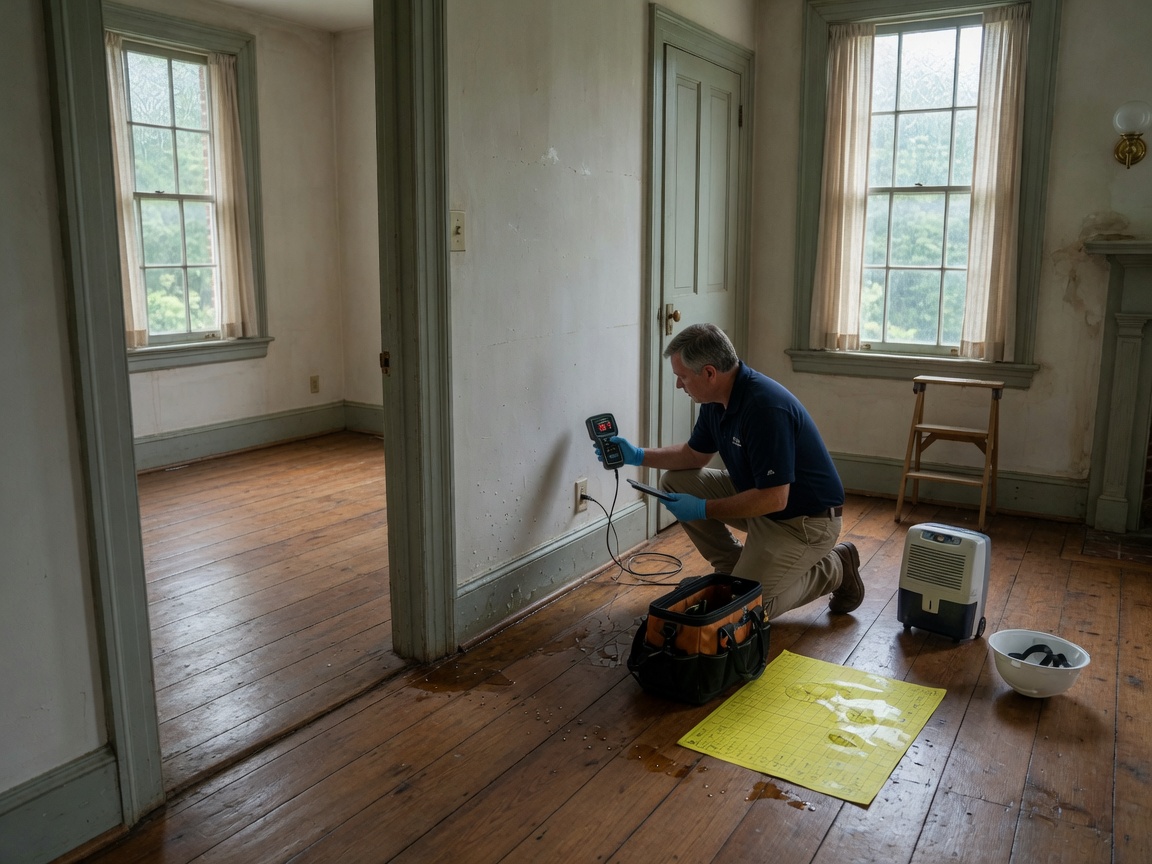
Basement flooding in Annapolis most often results from a combination of coastal tidal influences, sudden storm runoff, and indoor plumbing failures rather than a single source. Property owners who identify the water type quickly and prioritize safety over cleanup reduce both health risks and long-term structural problems.
Common Causes of Basement Flooding in Annapolis
Annapolis experiences three primary categories of basement water intrusion that require different responses. Coastal and tidal flooding affects low-lying neighborhoods near City Dock and Eastport when high tides combine with wind-driven surges, pushing water through foundation cracks or window wells. Storm and flash flooding occurs during intense rainfall when stormwater systems become overwhelmed, especially in areas with older infrastructure. Separate from weather events, indoor sources such as burst pipes, sump pump failures, or appliance leaks introduce clean or contaminated water directly inside the structure. Sewage backups from municipal lines or private septic systems add another layer of hazard because they carry pathogens that demand professional containment. Distinguishing these sources determines whether homeowners can safely manage initial water removal or must evacuate and contact authorities.
Warning Signs Before Flooding Occurs
Several observable indicators allow Annapolis residents to anticipate basement flooding hours or days ahead. Persistent damp odors, white mineral deposits on foundation walls, or repeated condensation on pipes often signal chronic moisture entry points that worsen during heavy rain. Sump pumps that run continuously or fail to activate during test cycles point to electrical or mechanical issues that could lead to sudden inundation. In neighborhoods such as Murray Hill or West Annapolis, residents may notice street-level ponding near storm drains after moderate showers, indicating the system is nearing capacity. Interior clues include water stains on baseboards, buckling floor tiles, or musty smells near floor drains. Monitoring these signs helps owners shut off utilities and move valuables before water reaches living spaces.
Immediate Safety Steps and Containment
When water appears, personal safety takes precedence over property protection. Turn off electricity at the main panel if water reaches outlets or appliances, and avoid entering areas where the depth or current presents a slip or electrocution hazard. Stop the source if it is a visible plumbing leak by shutting off the main valve, but never attempt to repair active sewage or electrical issues. Document conditions with photos for insurance purposes, then move items to higher ground while wearing protective gloves and boots. Do not use household fans or vacuums on contaminated water because they can spread bacteria. Once the immediate area is secured, contact a restoration professional equipped for extraction and drying rather than attempting prolonged DIY removal that risks mold growth or structural compromise.
When Professional Restoration Is Required
Most basement flooding incidents in Annapolis exceed safe homeowner capabilities once water depth exceeds a few inches or when the source involves sewage or tidal contamination. Professionals provide equipment for rapid extraction, moisture mapping, and controlled drying that prevents secondary damage to framing and insulation. Situations involving active flooding from municipal systems or structural instability require emergency authorities first, followed by licensed restoration teams. Property owners in historic districts or waterfront locations benefit from specialists familiar with older construction methods that cannot tolerate aggressive demolition. Transitioning to basement water damage cleanup services at this stage limits both repair costs and health exposure compared with delayed action.
Planning Long-Term Prevention
After the immediate event, Annapolis homeowners should evaluate permanent measures suited to local conditions. Installing or upgrading sump pumps with battery backups addresses both storm and tidal risks common in Eastport and Downtown areas. French drains and exterior grading improvements redirect surface water before it reaches foundations. For properties near historic downtown Annapolis, consulting preservation guidelines ensures any modifications respect architectural requirements. Reviewing the related guide on first-24-hour actions and the overview of historic and waterfront homes helps owners develop site-specific plans that combine early detection with professional response protocols.