
2026-05-22 · Bob Harlan
What to Do After Water Damage in Your Annapolis Home: First 24 Hours
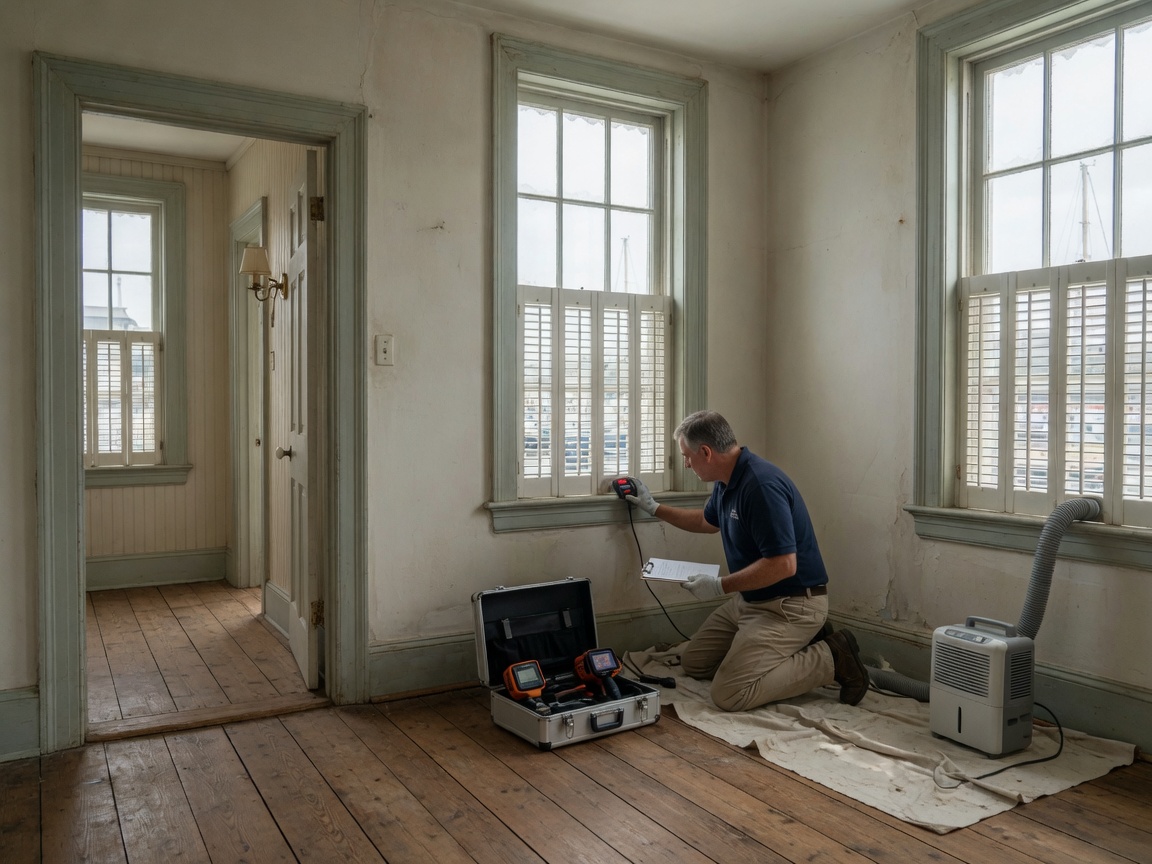
In the first 24 hours after water damage in your Annapolis home, shut off electricity and water sources if safe, document everything, and call for professional extraction to prevent mold and structural issues.
Prioritize Safety and Stop Further Water Entry
Safety comes first when water enters an Annapolis home. Turn off power at the breaker if water reaches electrical outlets or appliances, and avoid entering rooms with standing water near wiring. If the source is a plumbing leak or appliance failure, shut off the main water valve only when it can be done without risk. Coastal or tidal flooding near City Dock or Eastport often brings contaminated water, so wear protective gear and keep children and pets away. Storm or flash flooding requires watching for rising levels that could make roads impassable. Never attempt to move heavy furniture or enter unstable areas. Once immediate hazards are controlled, locate the source—whether a burst pipe, sewage backup, or roof leak—and stop it if possible without endangering yourself. These actions reduce the volume of water and lower the chance of electrical shock or contamination spread.
Document the Damage Thoroughly
Take detailed photos and videos of every affected area before any cleanup begins. Record water depth, which rooms are involved, and any items already damaged. Note the time the issue started and the suspected cause, such as heavy rain overwhelming drainage in Greater Parole or a failed water heater in West Annapolis. Keep receipts for any emergency purchases like fans or dehumidifiers. This documentation supports insurance claims and helps restoration teams understand the scope. Annapolis properties in historic districts may have unique materials that require special handling, so capture close-ups of walls, floors, and trim. Avoid moving items unnecessarily, as this can spread water or create safety hazards. Accurate records also clarify whether the event stems from indoor sources like appliance leaks versus external flooding, which affects coverage decisions.
Begin Limited Extraction and Contact Experts
Remove as much standing water as possible using a wet/dry vacuum on small, shallow areas, but stop if the water appears contaminated or the space feels structurally compromised. Open windows for ventilation only if outdoor humidity is low and no mold risk exists yet. For anything beyond minor spills, emergency water extraction is required within hours to pull water from carpets, subfloors, and wall cavities. Professional teams use equipment that homeowners lack and can distinguish between clean water from a pipe break and sewage backups. In Annapolis, properties near the water may face repeated tidal influences, making rapid drying critical. Water damage cleanup services address hidden moisture that leads to mold within 24 to 48 hours. Delaying this step increases repair costs and health risks.
Plan Next Steps and Monitor Conditions
After initial safety and removal actions, assess whether the damage affects multiple levels or involves structural elements like ceilings. In cases of widespread flooding from storms, check local alerts for Eastport or Downtown Annapolis before returning to the property. Review your insurance policy to understand next steps and coverage limits. How long does water damage restoration take in Annapolis, MD? provides realistic timelines based on water volume and drying needs. For basement issues common in older neighborhoods, see basement flooding in Annapolis common causes warning signs and what to do. Schedule a professional inspection promptly to test moisture levels in hidden spaces and prevent secondary damage. This measured approach protects both the home and its occupants while moving toward full recovery.